


AI and Accounting
The best AI accounting tools in Quebec in 2026: An honest comparison
July 23, 2026
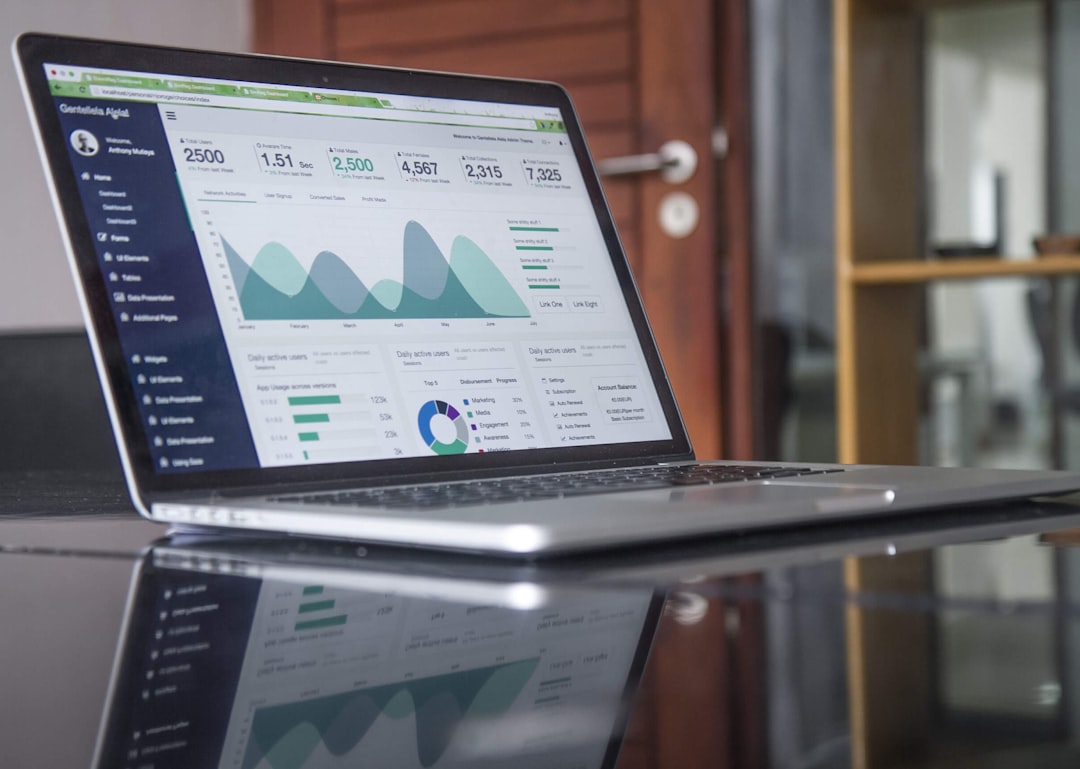
At a Glance. No One-Size-Fits-All Solution: Dext and Hubdoc for receipt capture, QuickBooks and Xero for bookkeeping, and Zeni for AI-driven bookkeeping. But none of them can replace an accountant in Quebec: tax judgment, signing off with the Order, and responding to the CRA remain the responsibility of a vetted professional who is accountable for their work.
People often confuse three different things. One accounting software (QuickBooks, Xero, Sage) keeps your books. The automation (rules, OCR, bank imports) repeats tasks without thinking. The IA (machine learning) predicts, categorizes, detects anomalies, and drafts documents. Most tools in 2026 combine all three, which explains why marketing promises the moon.
Here’s how the roles are divided, and this doesn’t change, no matter which Tools you use. AI handles invoice entry, transaction categorization, bank reconciliation, anomaly detection, report drafting, and first-level research, and it does it 24/7 at high speed. A verified by a human retains judgment, tax strategy, the responsibility to sign off with the Order, your representation before the CRA and Revenu Québec, the client relationship, and the task of correcting any errors made by the AI. At Bankeo, we don’t sell any of these tools: we connect entrepreneurs for free with a vetted accountant who selects and manages their own tech stack. This makes us a neutral third party with no interest in pushing one software solution over another.
Dext (formerly Receipt Bank) and Hubdoc (owned by Xero) are document capture tools. You take a photo of a receipt or email an invoice, and their OCR reads the amount, date, vendor, and tax, then pushes the data into your accounting software. This saves a lot of time compared to manual data entry. What they don’t do: determine whether that restaurant expense is 50% deductible, whether your mileage claim would hold up in a tax audit, or whether a vendor is actually a disguised employee for tax purposes. Those kinds of judgments involve liability, and OCR doesn’t sign anything.
QuickBooks includes categorization suggestions that learn from your corrections, plus a reconciliation assistant. Xero offers assisted reconciliation and discrepancy detection. (One to watch: Pennylane, which has a strong presence in France and Europe, focuses on automating account reconciliation and a real-time dashboard designed for the entrepreneur-accountant duo, but the tool is not yet available in Canada in 2026.) These features measurably reduce repetitive work. But they offer suggestions, they don’t make the final call. A “suggested” categorization remains just that: a suggestion. It’s your accountant who accepts it, corrects it, and takes responsibility for it if the CRA asks about it two years later.
Zeni positions itself as an AI-driven bookkeeping service with human oversight in the background, geared primarily toward startups. The model is interesting, but there are two caveats to consider for Quebec. First, the Canadian tax system (provincial tax credits, SR&ED, GST/QST, Revenu Québec requirements) is a complex area that few tools developed elsewhere fully master. Second, “human supervision” doesn’t mean which sign ni which represents you before the CRA. The question to ask any “self-employed” service: Is there a designated professional, registered with a professional association, who takes responsibility for your tax returns?
No matter the tool, certain tasks remain beyond a machine’s capabilities because they require judgment and responsibility, qualities that cannot be automated:
This is the heart of the matter, and it’s not just Bankeo’s opinion, it’s the position of the professional associations. The Best Practices Guide for Artificial Intelligence from the Ordre des CPA du Québec reminds users that the AI tool bears no professional responsibility: it is the professional who is liable for any errors and for the advice provided (guideia.cpaquebec.ca). The same logic applies to CPA Ontario, including the publication Accountabilities for CPAs in the Age of Artificial Intelligence emphasizes that accountability cannot be transferred to a machine (cpaontario.ca). In other words: AI can make a tax ruling that’s way off, but the CRA doesn’t go after the software. It goes after the taxpayer and the professional who signed off on it.
There’s also the issue of privacy. In Quebec, the Law 25 regulates the collection and processing of personal information (Quebec Access to Information Commission). Uploading your financial data and that of your clients to an AI tool without knowing where it’s hosted or how it’s used to train a model is something you should discuss with a professional, not just by checking a box during installation.
The right question isn’t “which is the best AI tool,” but “which accountant, with which tools, is right for my situation.” A self-employed person, a growing business, and an NPO don’t have the same needs. The tool adapts to the accountant, never the other way around. And the true cost of an accountant in Quebec is no mystery: the median is around $3,000 per year, ranging from $500 to $6,000 depending on complexity, according to the Bankeo Fee Barometer. An AI tool that costs $30 a month doesn’t replace that amount: it saves time for the professional, who, in turn, bills you for their expertise.
No. We don’t sell software or accounting services. We connect entrepreneurs with a vetted accountant from our network for free. 1,500+ accountants, starting at 15,000+ requests received since 2023 and 1,248 cases closed. The audit involves the Bankeo Trust Index, that’s more than 20 criteria. It’s free for you: accountants pay a fee per file, never you. And we’re here for you: if the matching process no longer works out, we’ll help you find a new one, every time. Ready to talk to a real person who can help you choose the right tools? Find your ideal accountant, for free. To understand the exact role of AI in accounting, visit our hub AI and Accounting takes a closer look at the issue.
No. Tools like Dext, QuickBooks, or Zeni automate data entry, categorization, and reconciliation. Tax judgment, signing off on documents with the Order, and representing clients before the CRA remain the responsibility of a vetted professional who is accountable for their work.
There’s no one-size-fits-all winner. Dext and Hubdoc excel at document capture, QuickBooks and Xero at assisted bookkeeping, and Zeni at AI-driven bookkeeping. The right choice depends on your accountant and your situation, not on a ranking.
It’s worth considering. Law 25 governs the handling of personal information in Quebec. Before entering your data into a tool, a vetted accountant can assess the hosting, usage, and security measures in place.
Yes. AI can generate a plausible but incorrect amount or tax treatment. That’s why the Ordre des CPA du Québec reminds us that the professional, not the tool, is responsible for the error. A human must validate the results.
According to the Bankeo Fee Barometer, the median cost is about $3,000 per year, ranging from $500 to $6,000 depending on complexity. AI saves professionals time; you’re paying for their expertise, not the data entry.
No. Bankeo does not sell accounting software or services. We connect entrepreneurs with vetted accountants from our network for free. That’s what allows us to remain impartial and speak honestly about it.
General information provided for informational purposes only, based on known 2026 tax rules. It is not a substitute for the advice of a Chartered Professional Accountant (CPA): always consult a professional regarding your specific situation.
The Bankeo matching service is 100% free, always. You only pay your accountant directly.
We’ll connect you with the right accountant from our network to meet your needs, we have as many profiles as you need.
We’ll support you for as long as it takes. We’re here for you every step of the way.
Your request will be processed within 2 business days.