


SME Accounting
Outsourcing bookkeeping in Quebec: Benefits, costs, and threshold (2026)
July 23, 2026
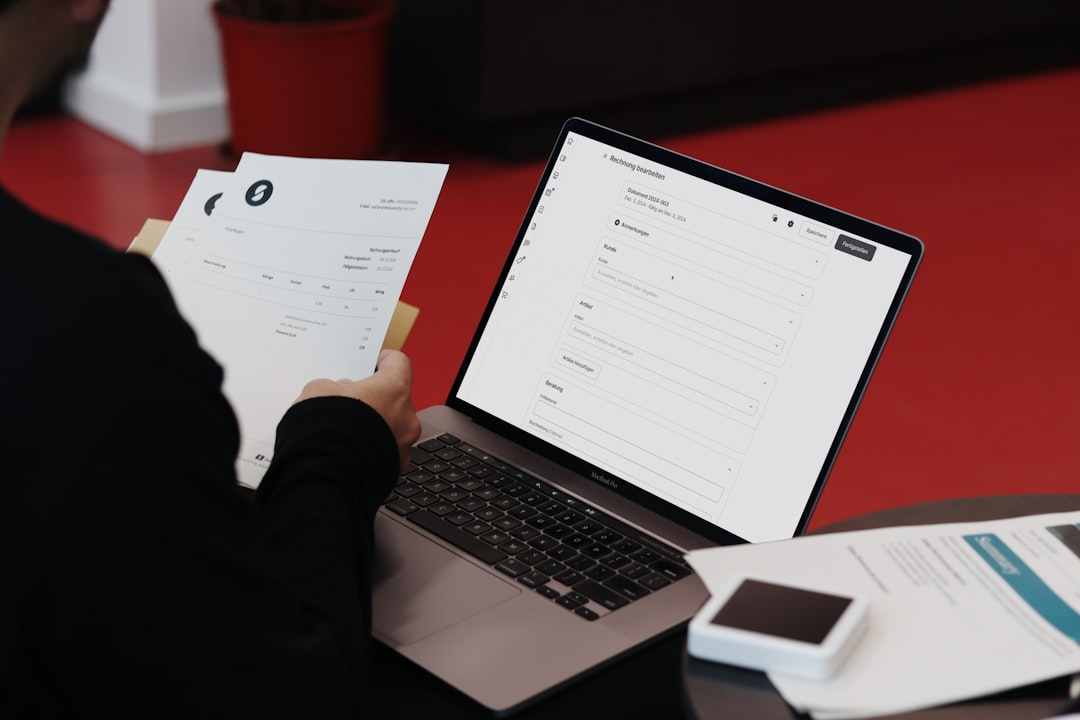
At a Glance. In Quebec, outsourcing bookkeeping costs a fraction of what it would cost to hire an in-house staff member. The median accounting budget for an SME is approximately $3,000 per year, with most businesses falling between $500 and $6,000: these figures are based on actual fees from 1,248 contracts concluded through Bankeo (2024-2026), out of more than 15,000 requests received. A salaried accounting technician, on the other hand, costs between $62,500 and $70,000 per year once employer contributions and hidden costs are factored in. The break-even point for switching to an in-house solution therefore comes late: as long as day-to-day accounting does not take up at least two days per week, outsourcing is almost always the better option.
“Should I hire someone for my accounting, or outsource it?” This question comes up in almost every consultation we conduct at Bankeo, and most answers published online avoid getting specific about the costs. We wanted to do better: this guide compares the actual cost of an in-house accounting position in Quebec with the actual fees observed in the market, then provides a simple, three-step method for calculating your own break-even point. The outsourcing cost ranges are based on Bankeo Fee Barometer; internal costs are determined by Quebec’s social security system (QPP, Employment Insurance, QPIP, HSF, CNESST).
Outsourcing means entrusting day-to-day bookkeeping to an external professional, an independent bookkeeper or accounting firm, rather than an employee. An outsourced bookkeeping engagement typically covers:
What typically remains the accountant’s responsibility, whether in-house or not: year-end financial statements, tax returns (federal T2 and Quebec CO-17 for a corporation, T1 and TP1 for a self-employed individual), and tax planning. To compare the roles and prices of each, see our comparison CPA or Bookkeeper: Who Costs What. The real choice is therefore almost never “all in-house” or “all outsourced”: it’s a matter of where to draw the line for day-to-day accounting.
The advertised salary is just the starting point. Let’s consider a realistic figure of $50,000 per year for an accounting technician, which is in line with current job postings in Quebec. First, add the six mandatory employer contributions: QPP, employment insurance, QPIP, HSF, CNESST, and the labour standards contribution, which together account for about 11 to 12% of the gross salary. The total cost of the position already rises to approximately $55,500 to $56,000 per year.
Then there are the costs that expense calculators don’t show:
Overall, an employee typically costs between 1.25 and 1.4 times their listed salary: our technician earning $50,000 therefore actually costs between $62,500 and $70,000 per year. The complete, line-by-line breakdown is in our guide to The actual cost of an employee in Quebec. And here’s a detail that changes the equation: hiring an in-house accountant doesn’t replace the need for an outside accountant for year-end closing and taxes. The two costs add up.
On the other side of the scale, here’s what businesses actually pay. The median accounting budget for a Quebec SME is approximately $3,000 per year, with most businesses falling between $500 and $6,000 depending on the industry and the scope of the engagement. These figures are based on actual fees from 1,248 engagements completed through Bankeo (2024-2026), out of more than 15,000 requests received, and are broken down by sector in the Bankeo Fee Barometer.
Bookkeeping alone, for a low volume of transactions, falls at the lower end of these ranges; a full-service package that includes year-end closing and tax filings approaches the median and may exceed it. To convert these amounts into a monthly budget, see our guide to Monthly Cost of Bookkeeping in Quebec.
Let’s now compare the two columns side by side, using the same sources: the Barometer’s range for outsourced services and the full, all-inclusive cost for in-house services (based on a $50,000 salary and a multiplier of 1.25 to 1.4).
| Plan | Realistic Annual Cost | Monthly Equivalent | Who is this for? |
|---|---|---|---|
| External: Bookkeeping Only | $500 to $2,000 | ~$40 to $165/month | Self-Employed Individuals, Small Service Businesses |
| External: Full-service package (bookkeeping, year-end closing, taxes) | $2,000 to $6,000 | ~$165 to $500/month | Incorporated companies, payroll, consistent volume |
| In-house: part-time (2 days/week, benefits included) | ~$25,000 to $28,000 | ~$2,080 to $2,330/month | High volume plus daily administrative tasks |
| In-house: full-time (technician at $50,000, full cost) | ~$62,500 to $70,000 | ~$5,210 to $5,830/month | High volume, expanded finance role |
How to read this table: Even at the top end of the Barometer’s range, at $6,000 per year, an outsourced service costs about four times less than the smallest realistic in-house position: a part-time role working two days a week. The gap isn’t closed through negotiation, it’s closed through volume. No one hires someone for three hours a week; as long as your accounting needs fit within a few hours, an in-house position forces you to pay for a role that you only use a fraction of, or to fill it with other tasks.
The tipping point is the moment when an in-house position becomes financially justifiable. Here’s how to calculate it for your business:
To quickly assess your business’s situation, here’s the grid we use with entrepreneurs:
| Your Situation | Typical Accounting Workload | A Winning Formula |
|---|---|---|
| Fewer than 100 transactions per month, no payroll | A few hours a month | External, low end of the range |
| 100 to 300 transactions per month, simple payroll | Half a day to one day per week | Outsourced, around the median |
| 300 to 500 transactions per month, payroll, and inventory | 1 to 2 days a week | High-end outsourcing or hybrid model |
| 500+ transactions/month, daily invoicing, collections, purchases | 3 days a week or more | Break-even point: in-house staff plus an external accountant for year-end closing |
Outsourcing delegates the task, not the obligation. Accounting records remain your business’s responsibility: the CRA and Revenu Québec require that supporting documents be retained for six years, and GST/QST returns are filed in your business’s name. This is why it’s important to entrust your books to a vetted professional and to maintain access to your accounting data at all times.
And even after the transition, the winning model is almost always a hybrid one: an in-house employee for day-to-day operations and administration, and an external accountant for financial statements, the T2 and CO-17 forms, and tax planning. Outsourcing is therefore not a “starting point” that you eventually move beyond: it’s a lasting component of the business structure.
What an outsourcing provider offers, beyond just the price:
And the limitations, without sugarcoating them:
These limitations are manageable: a 30-minute monthly meeting, a centralized submission of documents, and clear expectations regarding deadlines are sufficient for the vast majority of cases we match.
Bankeo connects you for free with vetted accountants from its network of over 1,500 partners, selected based on your volume, industry, and budget. The service is free and non-binding, and matching is often completed within 48 hours. And if the match isn’t a good fit anymore, we’ll find you another one at no cost, we’re always here to support you.
Find my accountantThe median accounting budget for a Quebec SME is approximately $3,000 per year, or about $250 per month, with most businesses falling between $500 and $6,000 depending on the sector, based on actual fees from 1,248 contracts concluded through Bankeo (2024-2026) out of more than 15,000 requests received. Bookkeeping alone falls at the lower end of these ranges; a breakdown by sector is provided in the Bankeo Fee Barometer.
For a reported salary of around $50,000, the six mandatory employer contributions (QPP, employment insurance, QPIP, HSF, CNESST, labour standards) add up to about 11 to 12%, and the total cost, including vacation pay, Tools, training, and recruitment, typically ranges from 1.25 to 1.4 times the salary, or approximately $62,500 to $70,000 per year. And this position does not replace the external accountant for year-end and tax matters.
The break-even point is a volume of work, not a price: when day-to-day accounting consistently takes up two to three days a week, typically around 500 transactions or more per month, including payroll and inventory, hiring an in-house staff member begins to make financial sense. Below that threshold, outsourcing is structurally less expensive, because the smallest realistic in-house position (two days a week) costs approximately $25,000 to $28,000 per year, including benefits.
No, not if you choose a vetted professional, but the responsibility remains yours: records and supporting documents must be retained for six years, and GST and QST returns are filed on behalf of your business with the CRA and Revenu Québec. Maintain access to your accounting data at all times and insist on fixed-date returns: this is your best protection.
Yes, and this is a standard component of the service package. Each employee generates source deductions that must be calculated and remitted to the CRA and Revenu Québec, with penalties for late payment, this is one of the tasks best suited for outsourcing. Payroll is generally billed as an additional service, based on the number of employees and the frequency of pay periods; make sure this is clearly stated in writing before comparing quotes.
Yes. Bankeo is completely free for entrepreneurs, with no commitment required. Accountants in the network pay a fee per file, an amount known in advance. You’ll never receive an invoice from Bankeo, and if the match isn’t a good fit anymore, even months later, we’ll introduce you to another accountant at no cost: we’re always here to support you.
General information provided for informational purposes only, based on known 2026 tax rules. It is not a substitute for the advice of a Chartered Professional Accountant (CPA): always consult a professional regarding your specific situation.
The Bankeo matching service is 100% free, always. You only pay your accountant directly.
We’ll connect you with the right accountant from our network to meet your needs, we have as many profiles as you need.
We’ll support you for as long as it takes. We’re here for you every step of the way.
Your request will be processed within 2 business days.